Published July 31, 2026 06:00AM
July’s Tri Takeaways: World Tour Shifts, Supershoe Scares, and the Rise of Short-Course Racing
T100 and World Triathlon swing for the fences, legends head into the sunset, and supershoes give us a case of the mid-summer scaries - Tim Heming breaks down the triathlon news of the month.

Tim Heming rounds up triathlon news from July 2026, including world tour announcements, Taylor Knibb's LA plans, and super shoe scaries. (Photo: World Triathlon, Triathlete)
July 2026 Triathlon News
- •Unified World Tour Announced for 2027•The Rise of Short-Course Racing•Sam Laidlow Clocks Historic Victory at Roth•Retirement Announcements: Flora Duffy, Patrick Lange, Joe Skipper•Surprising Slot Roll-Downs for 70.3 Worlds•Taylor Knibb Eyes Kona and LA 2028•The "Supershoe" Revolution and Injury Concerns•World Cup Stars Transitioning to Triathlon•The Value of Triathlon to Major Games•The Most-Read Triathlete Stories of July 2026
In July, the triathlon world felt less like a mid-summer cruise and more like a frantic T1 transition area. We’ve had the long-awaited unveiling of the 2027 unified world tour – a blueprint that finally attempts to make sense of our fragmented sport, even if the calendar still has a few Olympic-sized holes to plug.
But while the suits were busy drawing maps, the legends were busy taking bows. The retirement announcements of Flora Duffy, Patrick Lange, and Joe Skipper feel like a collective gut punch.
And because we can’t have nice things without a side of existential dread, the “supershoe” debate has reached a fever pitch, and the gear race is starting to feel a lot like a game of injury roulette. Plus, Taylor Knibb has big plans for the LAs8 Olympics, Ironman is working overtime to fll its 70.3 Worlds slots, and is Sam Laidlow the favorite to win Kona this year?
Grab a cold brew and settle in; it’s been a busy month in triathlon news.
Unified World Tour Announced for 2027
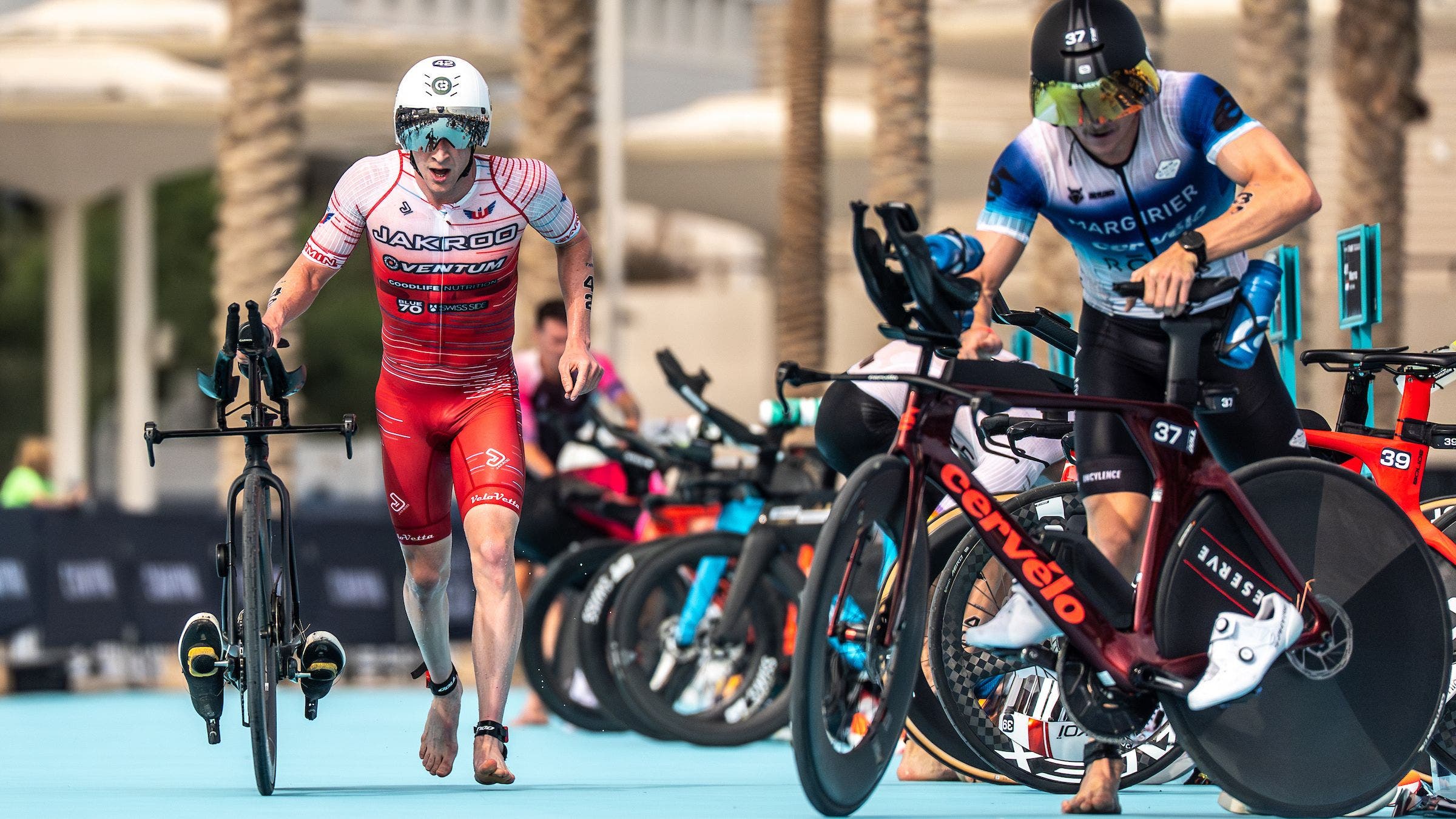
Big announcements aimed at uniting a fragmented sport, rebranding the elite series and rolling out a calendar for 2027: that was the aim of the Professional Triathletes Organization and World Triathlon ahead of a big weekend of racing in London, where we got to see the World Triathlon Championship Series (renamed T50 starting next year) taking place alongside age-group T100 competition and a variety of shorter distance events.
There are positive takeaways. As a blueprint for mixing elite and age-group competition, London (setting the course aside, as it’s mainly an urban route through Docklands) created a buzz, including bumper crowds for the elite racing.
ADVERTISEMENT
The two calendars (although with additions to come) were out much earlier than we’ve seen in the past. And we effectively have an Olympic test event as part of next year’s T50 series, which, given the USA hasn’t hosted a WTCS race since 2015, was a hole that needed plugging.
There are other cool venues on the roster too, such as Rome (T50) and Marbella for the T100, as anyone who raced last year’s Ironman 70.3 worlds will attest.
One of the loudest criticisms is that there are no combined T50 and T100 weekends at the same location, and that the T100 will continue with the single-sex pro racing for every event except the championship final in Qatar.
My view is that it’s a further step to prioritizing mass participation while keeping the luster of professional racing at each venue without the financial commitment we’ve seen in previous T100 seasons.
ADVERTISEMENT
Having a limited number of professional T100 events to compete in means the overall compensation package can be capped while still keeping an attractive dollars-per-race offering. It also reflects that the very best athletes don’t want to commit to an eight-race 100km series because they don’t feel it is healthy and/or have other targets, like Ironman.
Ultimately, the goal is to maintain a touch of professional racing, since it remains a crucial driver for age-group sign-ups, regardless of the distance they prefer.
The Rise of Short-Course Racing
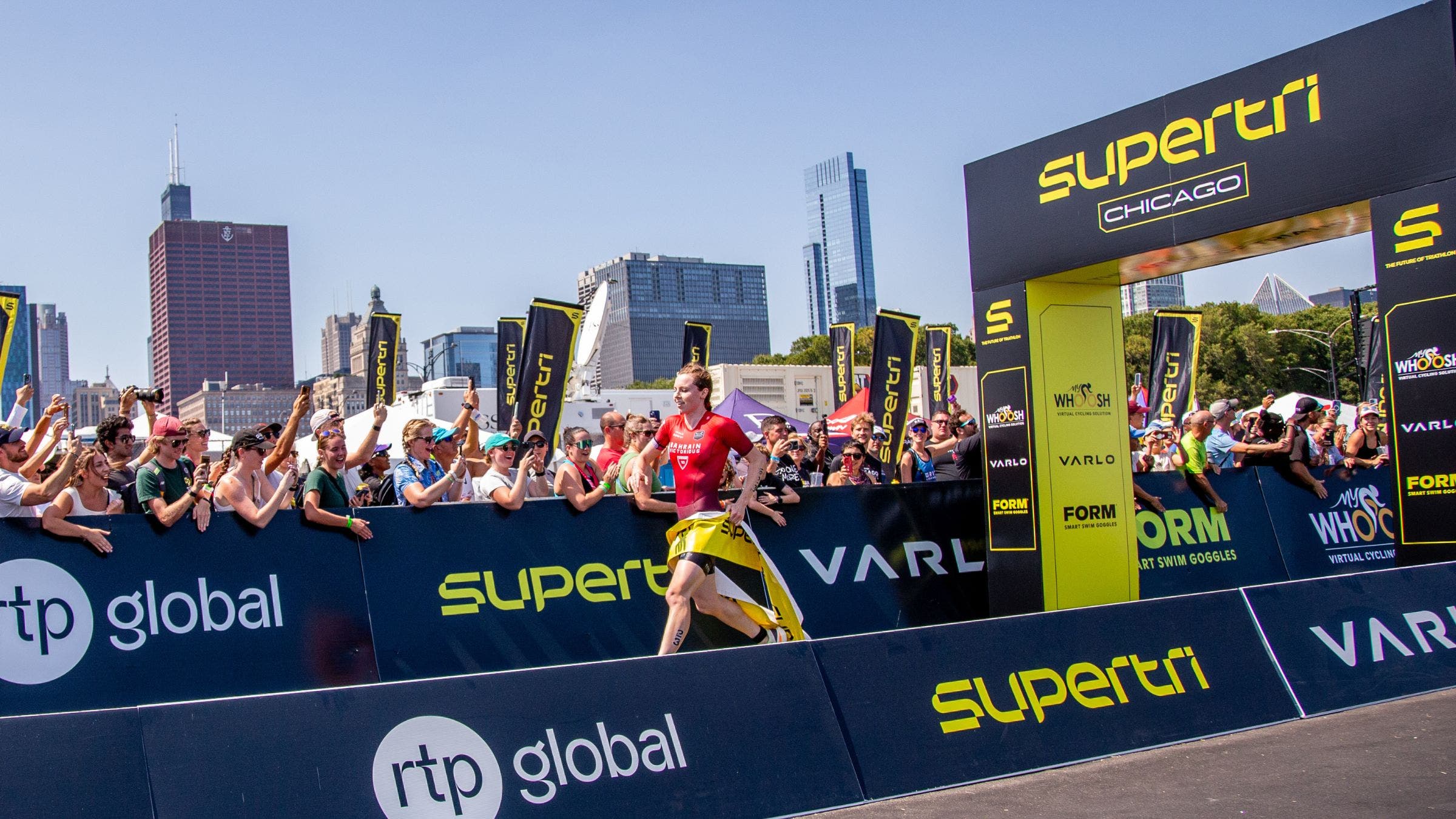
Whether it’s a move to festival-style à la carte racing or a realization that longer is not always better, it’s not just PTO and World Triathlon who are moving to escalate the worth of shorter events.
Supertri recently announced it sold out its races in New Jersey and Long Beach, with Toronto expected to follow and Chicago set to attract 9,500 athletes.
For independent organizers, Sara Stover wrote this piece on why the Door County Triathlon dropped its 70.3 distance event in favor of an Olympic distance, which also questions whether Ironman’s vice-like grip over middle and longer distance racing in the States is good for the sport.
At least Ironman is leaving the short stuff to the also-tris…or is it? According to its website, Ironman only offers around a dozen 5150 (standard or Olympic distance) and 4:18:4 (a 400-meter swim, 18-kilometer bike ride, and 4-kilometer run) races, but on the Friday before its 70.3 Oregon event in July, it also rolled out a new swim-run “Currents to Kicks” format, comprising a 1.2-mile swim followed by a 2.1-mile run.
ADVERTISEMENT
Billed as a brand-new splash-and-dash series, it cost $75 and attracted just short of 200 entrants (around 2,500 took part in the 70.3). Looking at the feedback, some people loved it as a way to get involved and grab another medal. Others dismissed it as Ironman making money out of pre-race practice swims.
With training time and money pressures biting triathletes, will short course become the new battleground? We know the PTO’s ambitious plans look at delivering up to 100 events with age-group fields over the upcoming years. With a thriving independent sector, will Ironman lurch in for a piece of that pie too?
Sam Laidlow Clocks Historic Victory at Roth
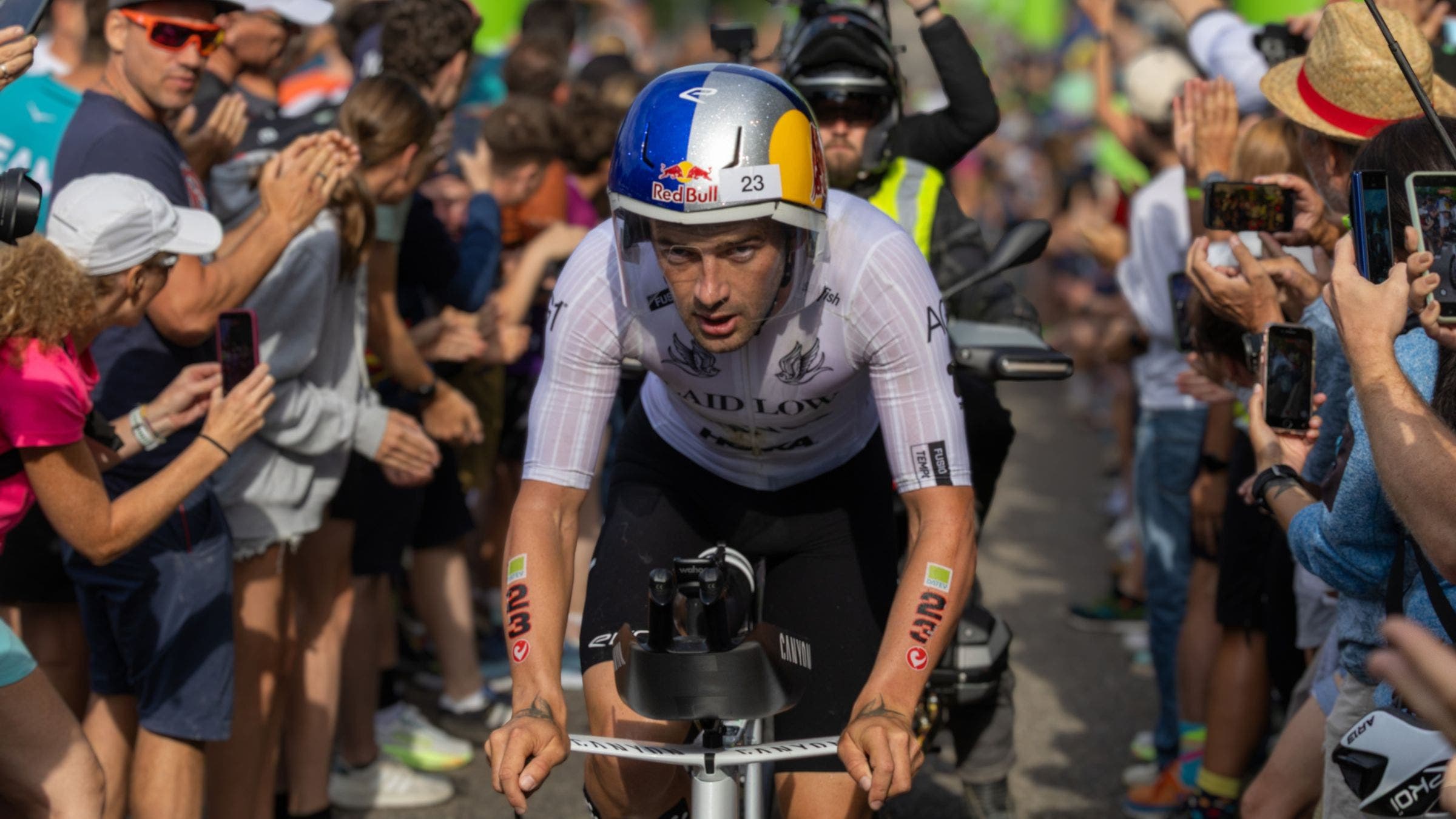
What’s it like to beat your No 1 rival and take his record for the fastest-ever iron-distance time in the best-supported triathlon on Earth—and do it all when you’re having a bad day? Jordan Blanco found out from Challenge Roth champion Sam Laidlow, who defended his crown in record-breaking fashion in Bavaria.
Does this make Laidlow the favorite for Hawaii? Blummenfelt didn’t have his Norwegian pals Gustav Iden and Casper Stornes for support in Roth, but that might not matter if Laidlow continues the swim-bike ascendancy that gives him a race-winning buffer onto the marathon.
ADVERTISEMENT
By announcing he is travelling to Uzbekistan for the low-key Challenge Samarkand and eschewing the Ironman 70.3 World Championship in Nice, Laidlow also underlined his singular focus on a first Big Island win.
If he makes it, he will follow in the footsteps of Jan Frodeno (2016) and Chris McCormack (2007) as the only men in the last two decades to have backed up Roth success with Kona triumph. Two women have also achieved this feat, twice each: Chrissie Wellington (2009 and 2001) and Daniela Ryf (2016 and 2017).
Tributes to Three Retiring Triathlon Legends
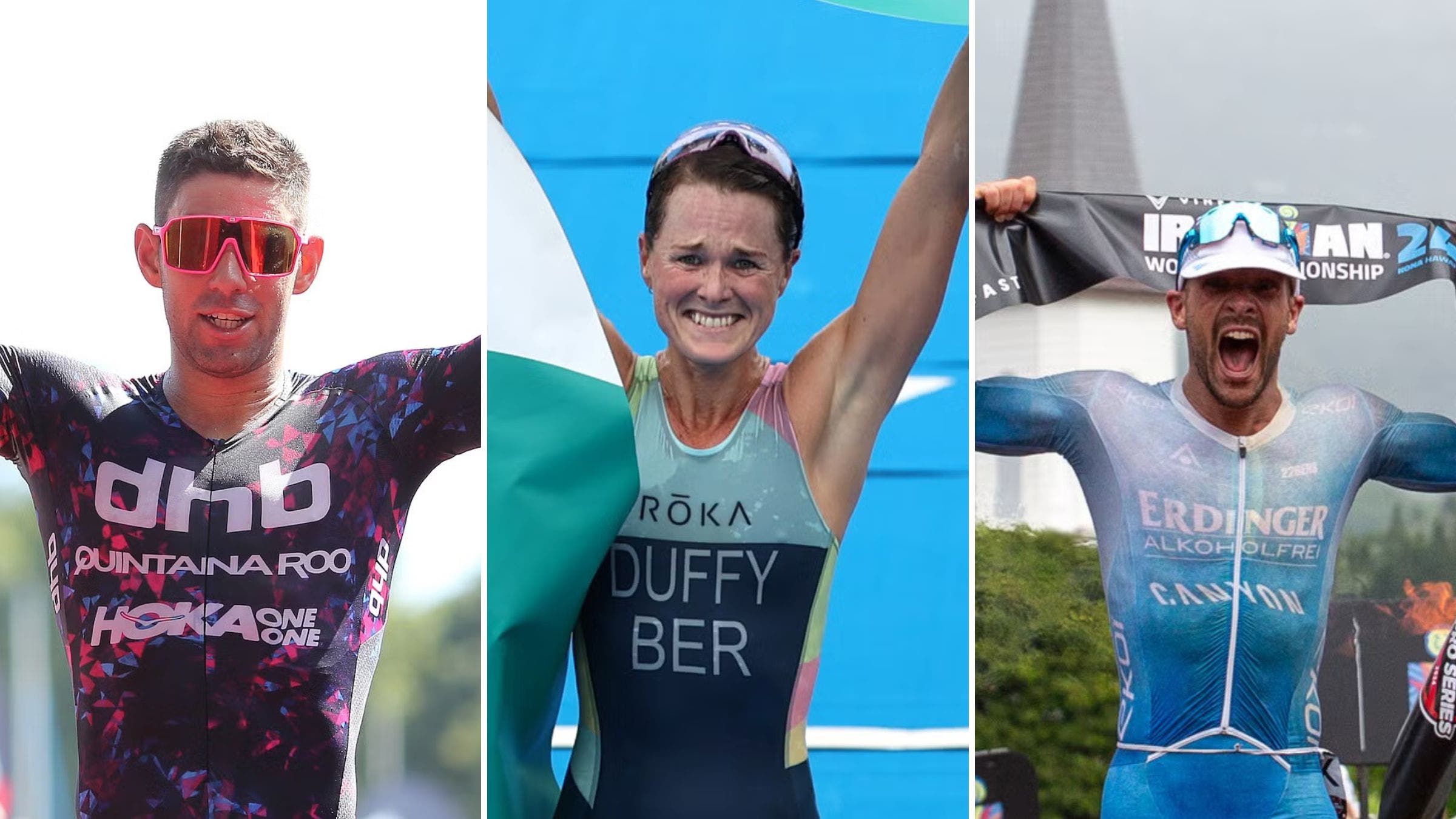
Joe Skipper, Flora Duffy, Patrick Lange. You probably couldn’t find three more contrasting triathletes in terms of personality, strengths or achievements.
Yet they do have two things in common. First, they all announced retirement decisions in July, either immediately or staggered. Second, over the course of their careers, it would be hard to name an athlete who maximized their potential more than this trio.
The best tribute I can give each of them is to pick out example moments of their careers which defied what seemed possible.
ADVERTISEMENT
With her previous XTERRA world title success, Duffy had a reputation as an outstanding bike handler, but it took until 2016, when she was already 28 years old, to ascend to the top of the World Triathlon short course scene.
It was almost a seamless passing of the baton from the previously dominant Gwen Jorgensen after the Rio Olympics. Duffy had crashed in the 2008 and 2012 Olympics, and was well beaten into eighth in 2016, but then took charge.
She beat Jorgensen in the season finale in Cozumel to take the world title, before her crowning achievement of Olympic glory in Tokyo was bookended by two Commonwealth Games individual gold medals in 2018 and 2022. As the island’s first-ever Olympic gold medal winner, October 18th, 2021 became Flora Duffy Day and a one-off public holiday in Bermuda.
ADVERTISEMENT
It was also fitting that racing at home in the World Series in Bermuda, she was at the peak of her powers. Winning from the front by minutes rather than seconds, the solo breakaway on the first visit in 2018 and almost the first pedal stroke was majestic. Her roads. All to herself.
Patrick Lange’s three Ironman World Championship titles – and don’t rule out a final flurry on the Big Island in October – put him alongside Dave Scott, Mark Allen, Craig Alexander and Jan Frodeno as the finest male exponents of mastering the heat, humidity and race-day peculiarities of Hawaii.
It’s the 2024 success, in another course record, that shows the mark of the man from Bad Wildungen. It came six years after his previous win (another record) and firmly laid to rest the idea that Lange’s earlier triumphs were somehow only made possible by willing teammates from sponsor team Erdinger pacing him on the bike.
ADVERTISEMENT
Recently interviewing Lange for Triathlete, it was clear that those allegations still irk him, particularly in the context of how feted the teamwork of the Norwegians has become. As he heads into his final 12 months as a pro, the soon-to-be 40-year-old will use it as fuel for this October and one last swing for the Kona crown.
Joe Skipper is always likely to be a loose cannon. Self-coached, his racing preparation and style could look almost agricultural at times, and his popcorn-worthy reflections either made him a sponsor’s dream or nightmare.
But there were moments on the course when he truly excelled, such as fifth place in the men’s race in Hawaii 2022 in the post-pandemic Ironman World Championship that broke the mold as 10 men broke eight hours.
Just a few weeks earlier, Skipper ran a 2:37:24 marathon at Ironman Wales on a course with more than 1,600 feet of climbing. No one has got within 10 minutes of it in the race’s 15 years of existence.
ADVERTISEMENT
Another one that jumps out was the Pho3nix Foundation Sub-7 event in Germany, where as a late stand-in for the injured Alistair Brownlee, he was tasked with trying to beat Kristian Blummenfelt, and supported by an international-quality line of time trialists who drove him to a 3:16:42 bike split, and who frankly just wanted to go as fast as possible and didn’t care he had a marathon to run afterwards.
Three athletes who all, in different ways, got the very best from their attributes. Each one giving us a masterclass in self-belief.
Surprising Slot Roll-Downs for 70.3 Worlds
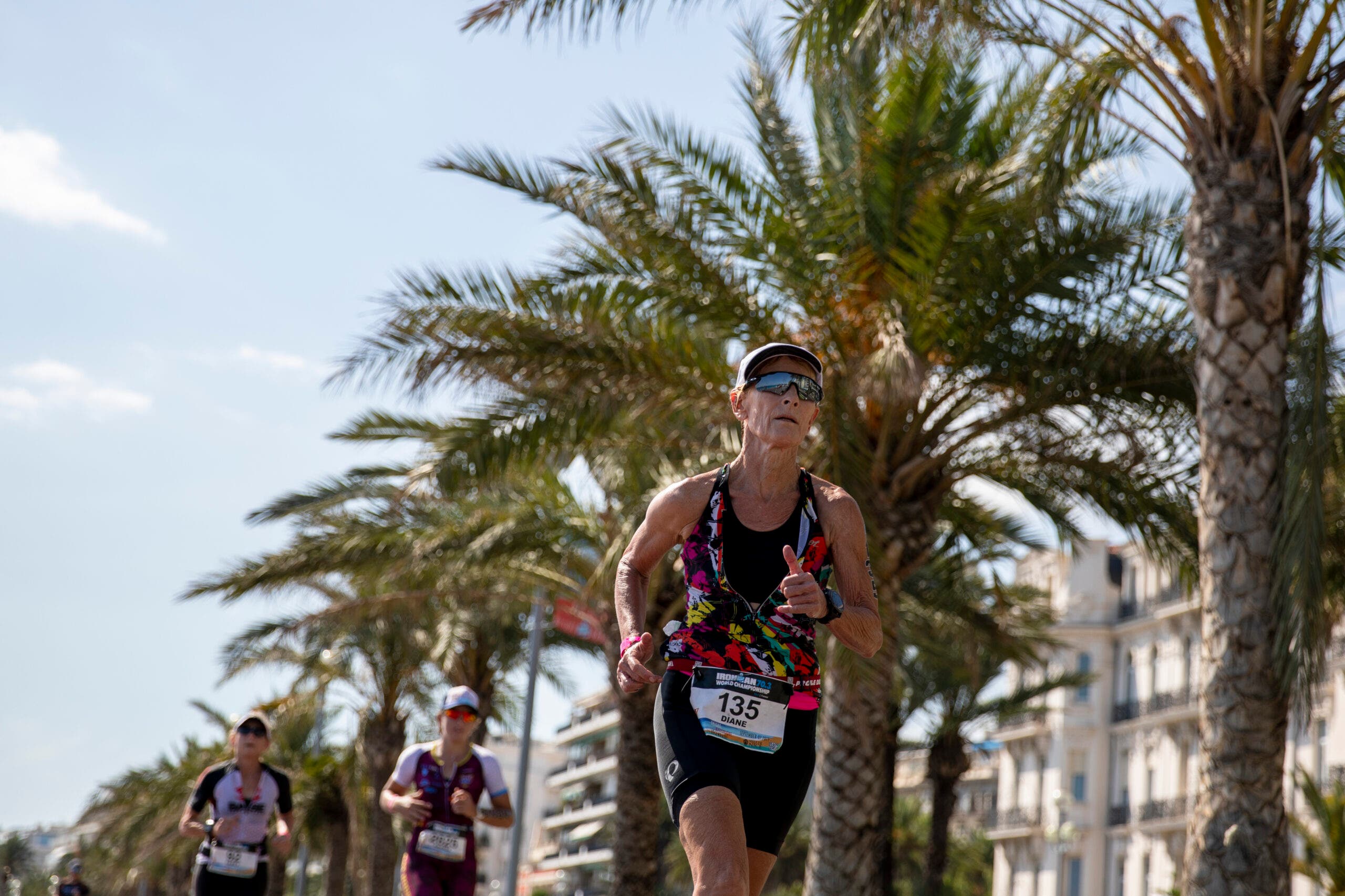
Two months ago I wrote about how the proliferation of Ironman 70.3 events around the globe means slots at the world championships could be at even more of a premium than they are for the Big Dance in Hawaii.
Where that analysis fell short was misjudging the weight of regional appeal for a 70.3 contest.
While Kona is the pilgrimage, many triathletes are still more likely to only entertain a 70.3 Worlds entry closer to home. Hence, we’ve seen reduced uptake from U.S. races for this September in Nice, and expect slots for Chattanooga in 2027 to roll down much further in European events now.
ADVERTISEMENT
Still, it was surprising to find out that Ironman has been emailing women who have previously completed an Ironman 70.3 (but haven’t qualified this year) to see whether they want to race in the World Championships in Nice. The email says eligible athletes are entered into a randomized draw, and if picked out, have 48 hours to claim their slot.
Taylor Knibb Eyes Kona and LA 2028
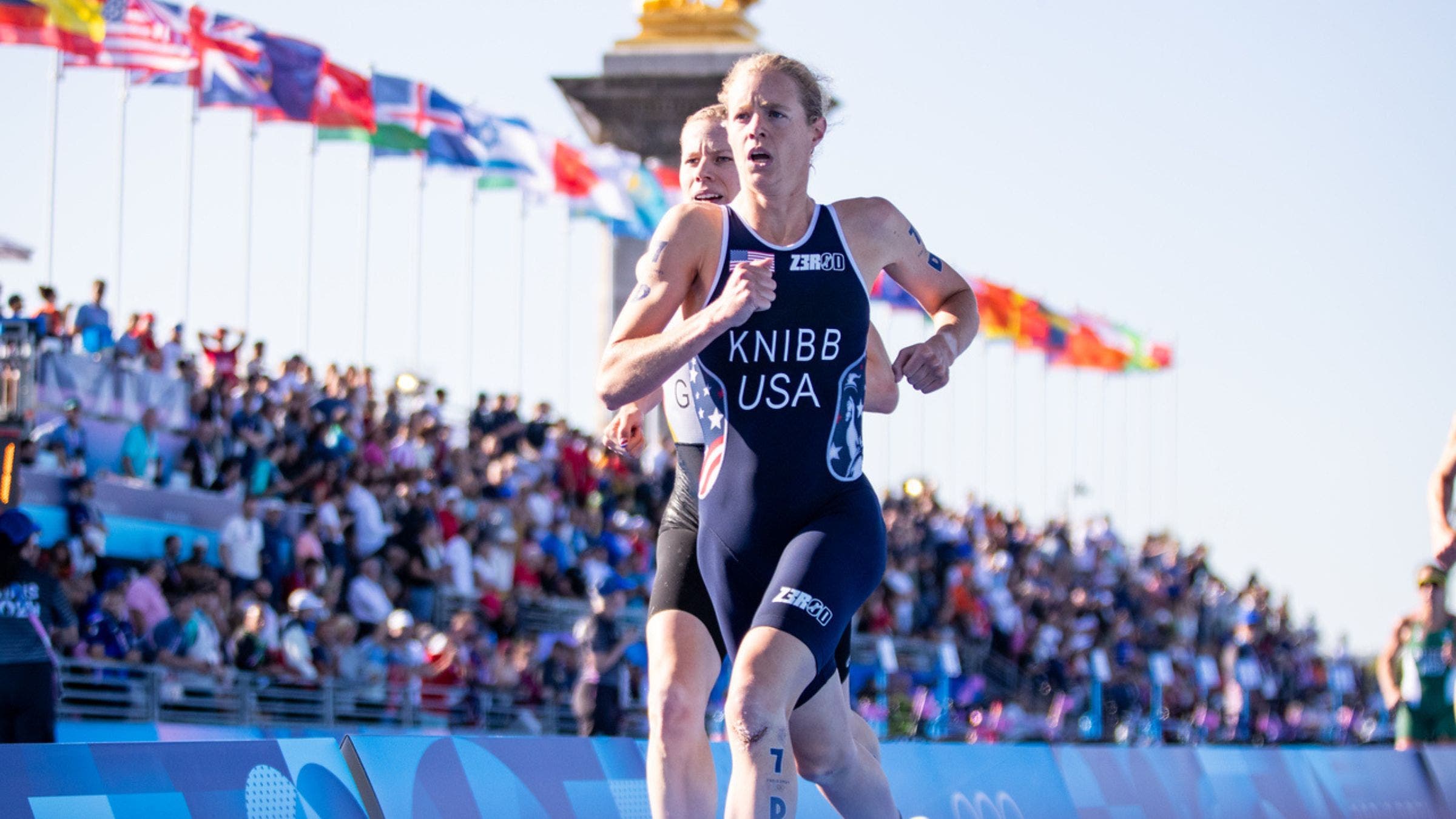
It won’t be too much of a surprise to discover that Taylor Knibb is excited about the Ironman World Championship and the Olympics.
After finishing the London WTCS race at the weekend, she told Triathlete in the mixed zone: “I am so excited to start my Kona build on Monday. My number-one goal here was to finish in one piece so I could walk off the plane and start my Kona build.”
She’s also thrilled at the prospect of lining up in both the triathlons and the cycling time trial at the 2028 Olympics.
“Do you know where the time trial ends? They haven’t announced the full course, but it ends with a 2km hill with a 7% grade up to the Hollywood sign! [It’s set to finish at the Griffith Observatory near the Hollywood Hills].
ADVERTISEMENT
“The women’s triathlon is July 15th, the time trial is the 19th, and the triathlon relay is the 20th. USAT isn’t thrilled the relay is a day after the TT, but I don’t think it’ll hurt me. I’m a diesel.”
The “Supershoe” Revolution and Injury Concerns
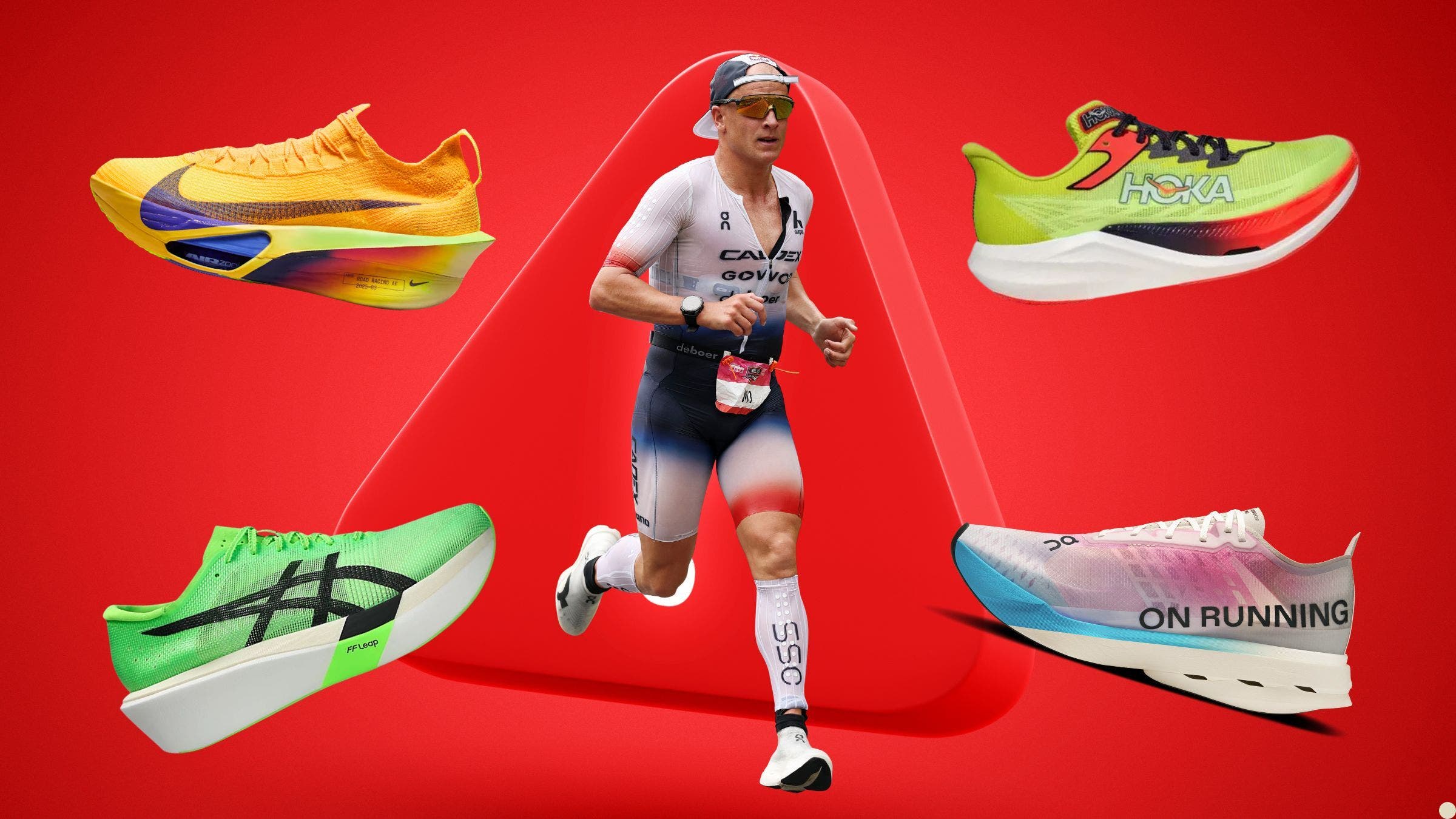
It’s the fear associated with any switch of running shoe: Am I going to get injured?
That’s always been the case, and the reason why thrifty runners regularly try to buy multiple pairs of familiar shoes at discounted end-of-season prices in the make, model and size they know works.
For athletes who want to be competitive, this fear has now been exacerbated by the supershoe revolution, where we are bringing in carbon fiber plates and a chunk of highly responsive, short-life foam, with little substantive evidence of whether it’s good or bad for our bodies—other than it helps make us run faster.
I remember talking with an old running shoe exec who remembered the original more experimental carbon plates of the nineties, and how the prospect of injury was so pronounced the idea disappeared for 20 years.
ADVERTISEMENT
They are clearly much more advanced in 2026, with purported benefits such as feeling fresher and recovering more easily seeming a good sign. Still, when you see an article titled: Why Plantar Fasciitis Is Everywhere Right Now—and What Runners Can Do About It, as I did this month, my eyes jumped to the sub-heading, which reflected exactly my first thought: Is t the shoes? It’s gotta be the shoes.
Maybe, maybe not. But given that plantar fasciitis is no fun at all, I feel Richard A. Lovett’s report should be required reading this month.
Why Soccer Stars Struggle with Triathlon
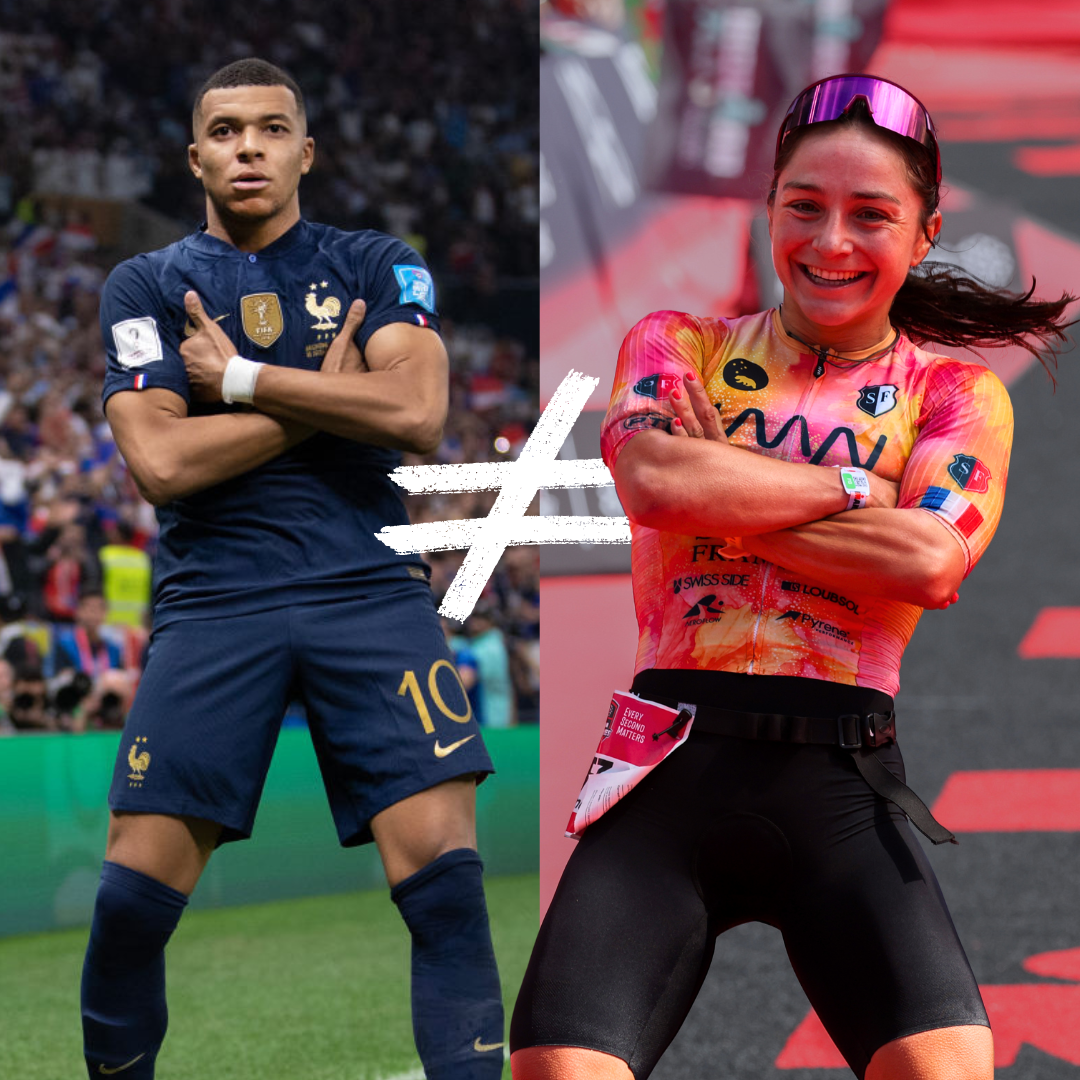
In the month that saw Spain return to the summit of world soccer, another Richard A. Lovett piece also caught my attention: World Cup Stars Would Make Terrible Triathletes, Actually
Really? The world’s most advanced athletes in arguably the world’s most advanced sport struggling with a bit of swim, bike, run? But I think the argument holds water (and not just because lean, muscled adult-onset swimming men often can’t hold water) but because of what goes on between the ears.
ADVERTISEMENT
To the author’s credit, he hits on the psychological aspect of where the ball-playing, team-sporters will come unstuck. Triathletes don’t become great unless they love training in swimming, cycling and running. What lights up soccer players is having a ball involved and a goalkeeper to stick it past. For them, running is the purgatory to become fit enough to do the fun bit.
The Value of Triathlon to Major Games
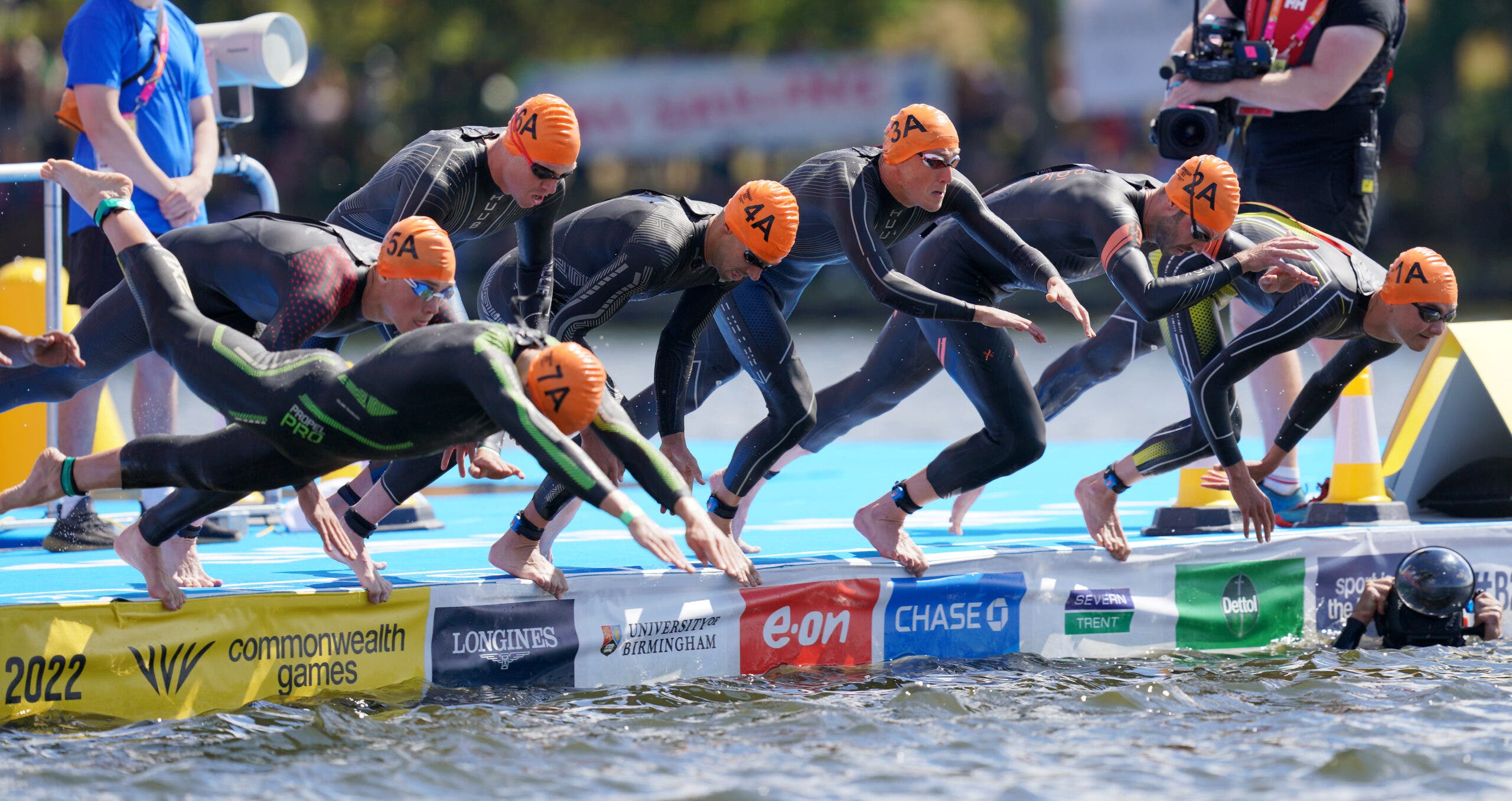
With three races at most and stand space only adjacent to the blue carpet, triathlon doesn’t sell anywhere near as many tickets as stadia-based sports, yet the value it brings to major Games, such as the Olympics, can be easily and regrettably undervalued.
We’re seeing that right now in Scotland with July’s Commonwealth Games, where despite being one of the most popular sports and a major success four years earlier in Birmingham, England, triathlon has been struck from the program along with disciplines like the cycling time trial, road race and athletics marathon that use the local roads.
The Commonwealth Games is increasingly struggling to find hosts, and Glasgow stepped in to rescue the 2026 edition after Victoria in Australia pulled out citing financial concerns. It decided to focus on only direct revenue-generating sports, such as athletics and swimming, where tickets could be sold to arenas.
ADVERTISEMENT
But what triathlon does, as has been evidenced time and again, is bring the Games to the people, and bring the action to life.
It draws in thousands of spectators to line the streets. It creates an atmosphere in the city. It delivers a broadcast to show off the location, and it gets the wider public inspired, including some of whom might never have seen the sport before. That doesn’t happen if you ticket everything away behind closed doors.
The Most-Read Triathlete Stories of July 2026
- The Truth Behind the Headlines: Is Triathlon Actually Dangerous?
- The Anatomy of Sam Laidlow’s 7:21:04: Aero, Guts, and Going “Past the Threshold Where it Hurts”
- How Alanis Siffert Trusted Her Gut, Ignored the Data, and Conquered Challenge Roth
- What Our Data Expert Found After Analyzing a Decade of Ironman 70.3 Age-Group Finish Times
- The Hardest Triathlons in the World
- Why Your Brain Makes You Zig-Zag in Open Water (and 4 Drills to Fix It)
- Paula Findlay Wins Debut Ironman While Marten Van Riel Sets Course Record at Ironman Lake Placid
- What the “Kona Shift” Tells Us About Why Women Race Triathlon
- I Tested 30 Chinese Running Shoes Over 1,000 Miles. These Eight Were My Favorites.
- Is This The Bike of the Future? We Raced The New Canyon Speedmax CFR